Loyalty Programs vs. One-Time Coupons for Gaming Services
Weighing ongoing loyalty and membership perks against one-off discount codes for gaming services like hosting, coaching, and cloud platforms.
Weighing ongoing loyalty and membership perks against one-off discount codes for gaming services like hosting, coaching, and cloud platforms.

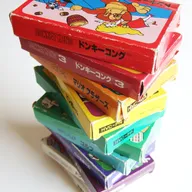
Photo by LeoBlanchette / Wikimedia Commons / CC0
Gaming services — server hosting, coaching platforms, cloud gaming subscriptions, tournament entry systems, and similar recurring offerings — tend to present savings opportunities in two different shapes: a one-time coupon code, or an ongoing loyalty or membership structure. They’re not interchangeable, and picking the wrong one for your situation means leaving value on the table either way.
What a One-Time Coupon Actually Gets You
A coupon code is straightforward: a single, usually modest reduction applied once, often reserved for a first purchase or a specific promotional window. Its appeal is simplicity — no commitment, no ongoing relationship with the service required, just a discount on the transaction in front of you. The tradeoff is that it doesn’t compound. If you use a service regularly, a one-time code is a nice bonus on day one but does nothing for you in month six.
What a Loyalty or Membership Structure Actually Offers
Recurring service providers often build tiered loyalty programs or paid membership levels that unlock ongoing perks — priority support, discounted renewal pricing, bonus resources, or occasional member-only promotions. Unlike a coupon, this value accumulates the longer you stay a customer, which makes it fundamentally a different kind of savings: not a discount on a single purchase, but a shift in your baseline cost or experience for as long as you remain active.
The Math That Actually Matters
Whether a loyalty program is worth it comes down to your actual usage pattern, not the headline perks listed on a marketing page. If you use a gaming service occasionally and inconsistently, a one-time code you catch when it’s available is probably the better fit — there’s little value in a loyalty tier’s benefits if you’re not around often enough to use them. If you’re a consistent, long-term user of a specific service, the cumulative value of a loyalty structure — especially one with renewal discounts or usage-based perks — is far more likely to outweigh what any single coupon could offer.
Read Renewal Terms Closely Either Way
A subtlety that applies to both categories: some “discounts” on gaming services are introductory-rate pricing rather than a genuine ongoing reduction, meaning the price increases automatically after a set period unless you take action. This isn’t unique to loyalty programs — coupon-driven first-period pricing on subscriptions works the same way. Before committing to either path, check what the standard price will be once any introductory period ends, so the decision is based on the real long-term cost rather than the number shown at signup.
Combining Both When You Can
These two approaches aren’t always mutually exclusive. A loyalty program you’re already enrolled in doesn’t necessarily block you from also applying a limited-time coupon on top, depending on the service’s specific terms — though as with any stacking question, the only way to know for sure is to check at checkout rather than assume. Where the two do overlap, it’s worth applying a coupon first if you’re a new customer, then evaluating the loyalty program’s ongoing value separately once you know whether you’ll be a repeat user.
The Bottom Line
Treat a coupon as a nice discount on a single transaction, and a loyalty program as a longer-term bet on whether you’ll actually keep using the service. Deciding which matters more depends entirely on your own usage — not on which one happens to be advertised more prominently at the moment you’re signing up.
Our picks: Game credit & memberships
Shop on Amazon
Affiliate links.As an Amazon Associate I earn from qualifying purchases. Links below go to Amazon; prices and availability change, so check Amazon for current pricing.Affiliate disclosure
Illustrative photos: Photo by Bryan Ochalla / Wikimedia Commons / CC BY-SA 2.0