How to Evaluate a Gaming Chair Sale Before You Buy
Gaming chair discounts can hide quality downgrades and inflated list prices. Here is a practical way to judge whether a chair sale is genuinely good.
Main page for gaming chairs: Gaming Chairs →
Gaming chair discounts can hide quality downgrades and inflated list prices. Here is a practical way to judge whether a chair sale is genuinely good.
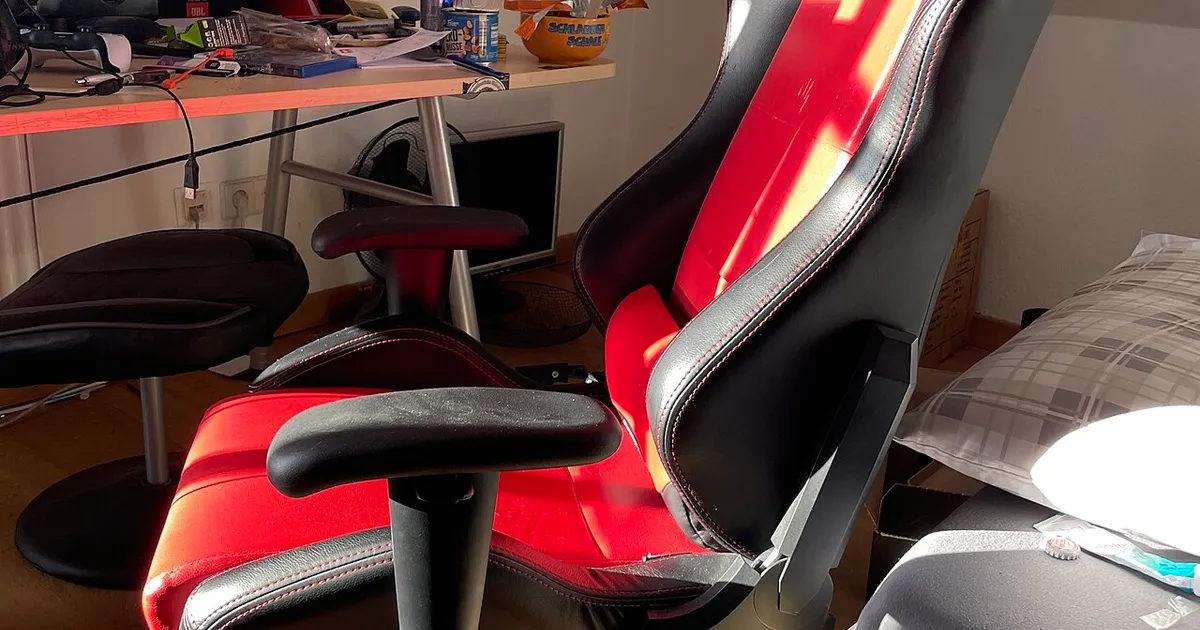
Photo by Marchuk17 / Wikimedia Commons / CC BY-SA 4.0
Gaming chairs sit in an odd spot for deal-hunting: they’re expensive enough that a discount feels meaningful, but specialized enough that most shoppers don’t have a strong sense of what a given build quality “should” cost. That combination makes chairs an easy category for a discount badge to do more persuading than the actual product deserves.
Separate the Discount From the Actual Price
The percentage-off number on a chair listing is only as meaningful as the reference price it’s calculated from, and that reference price is chosen by the seller. Before getting excited about a large discount, ignore the percentage entirely and ask whether the final price is reasonable for the specific materials, adjustability, and weight rating on offer. A chair advertised as “60% off” can still be a mediocre deal if the resulting price is in line with what similarly specced chairs cost anywhere, sale or not.
Check Price History When You Can
Independent price-tracking tools that log pricing over time exist for many major retailers and can show you whether a specific chair model’s current price is actually unusual, or whether it’s simply back to a price it’s been at repeatedly over recent months. A chair that goes “on sale” to the same price every few weeks isn’t discounting — it’s using a rotating badge to create urgency around its normal price.
Watch for Spec Downgrades Behind a Familiar Name
Chair manufacturers sometimes sell a “V2” or regionally adjusted version of a popular model with a cheaper frame, thinner padding, or fewer adjustment points, while keeping very similar branding and photos. Before comparing a sale price to what you remember a model costing, check the specific listing’s stated materials, weight capacity, foam density (if disclosed), and adjustment features. A steep discount on a quietly downgraded version of a well-reviewed chair isn’t the same deal as a discount on the original.
Confirm the Trial Period and Warranty Terms
Chairs are hard to evaluate from photos alone — fit and comfort depend on your body, and that only becomes clear after sitting in it regularly. Before buying on sale, check:
- Whether there’s a home trial period, and how long it lasts.
- Who pays return shipping for a large, heavy item if it doesn’t work out.
- What the warranty covers (frame, gas lift cylinder, foam, upholstery) and for how long.
- Whether replacement parts (casters, armrest pads) are available directly from the manufacturer.
A steep discount on a chair with a short or nonexistent trial period is a bigger gamble than a smaller discount on one you can actually send back if the fit is wrong.
Don’t Let Bundle Extras Distract From the Core Price
Chair sales are often paired with “free” add-ons — a headrest pillow, a footrest, a branded blanket — presented as extra value on top of the discount. Price these separately if you can; sometimes the core chair price alone is unremarkable and the bundle is doing the work of making the offer look better than it is.
A Simple Evaluation Checklist
- Judge the final price on its own merits, not the percentage-off badge.
- Check price history to see if the “sale” price is actually unusual for that model.
- Verify the specific listing’s materials and specs match the model you think you’re buying.
- Confirm the trial period, return shipping terms, and warranty coverage.
- Price out any bundled extras separately before letting them influence your decision.
A gaming chair is a purchase you’ll sit in for years — it’s worth the extra ten minutes of checking before a sale badge decides for you.
Our picks: Gaming chairs
Shop on Amazon
Affiliate links.As an Amazon Associate I earn from qualifying purchases. Links below go to Amazon; prices and availability change, so check Amazon for current pricing.Affiliate disclosure
Illustrative photos: Photo by Marchuk17 / Wikimedia Commons / CC BY-SA 4.0; Photo by Ndurliat / Wikimedia Commons / CC BY-SA 4.0