How to Avoid Overpaying for a CPU: A Price-Tracking Mindset
A practical approach to shopping for processors that relies on price history and personal targets rather than reacting to sale badges.
Main page for cpus: CPUs →
A practical approach to shopping for processors that relies on price history and personal targets rather than reacting to sale badges.
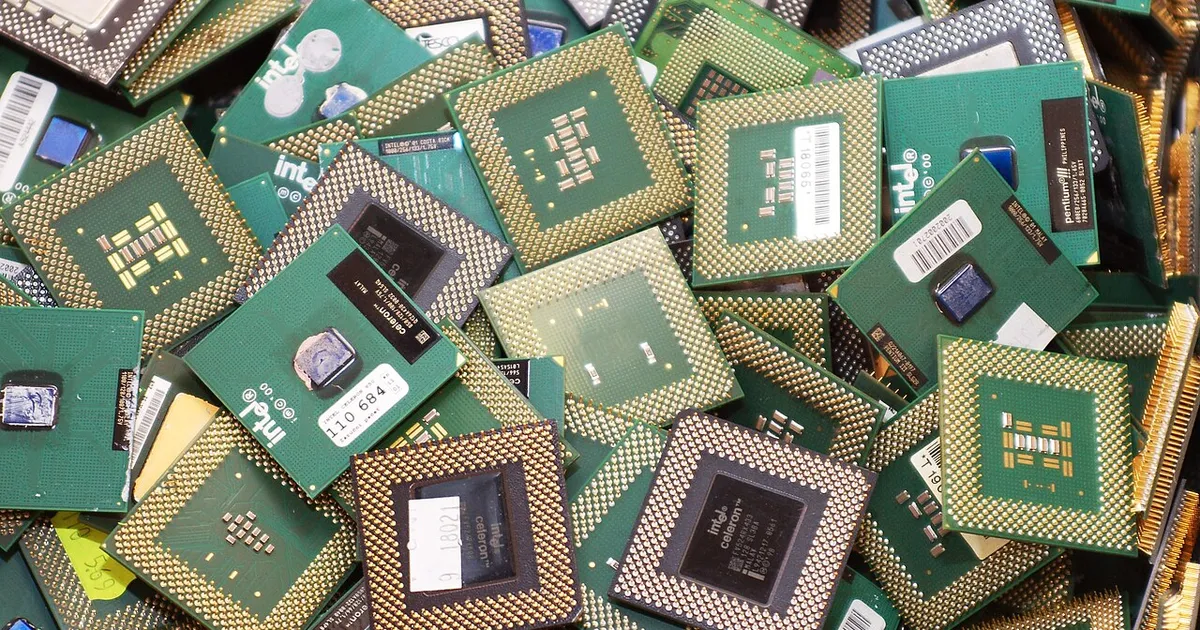
Photo by Ondřej Martin Mach / Wikimedia Commons / CC BY-SA 3.0
Most CPU shopping advice focuses on specs — cores, clock speeds, cache. Less attention goes to the actual buying process, which is where a lot of people end up paying more than they need to. Shifting from “is this on sale?” to “is this actually a good price?” is a small mental change that saves real money.
Stop Reacting to Discount Badges
Retail sale badges are designed to trigger a purchase decision quickly, and the percentage-off number is the easiest lever to pull because it doesn’t require the retailer to actually lower the price much — just to inflate the reference point it’s being compared against. The fix is simple in concept: ignore the badge entirely and look only at the final dollar price. Then ask whether that price is good relative to what the chip has actually sold for recently, not relative to a number the retailer chose.
Build a Habit of Checking Price History
Independent price-tracking tools and browser extensions exist specifically to show how a product’s price has moved over time across one or more retailers. Before buying any CPU, pull up its price history if you can. A chip that’s been sitting at roughly the same price for months and is suddenly “10% off” is a much weaker signal than one whose current price is genuinely at or near its lowest point in that history. This single habit filters out the majority of fake or inflated “sales” without requiring any special expertise.
Set a Target Price Before You Start Shopping
One of the most effective ways to avoid impulse overpaying is to decide, before you’re looking at any specific listing, what you’re willing to pay for the chip you want based on your budget and how it compares to alternatives at similar performance tiers. Write that number down if it helps. Then treat any listing above that number as “not yet” rather than negotiable through urgency messaging like countdown timers or “low stock” warnings, which are designed to make you abandon exactly this kind of discipline.
Compare Against the Whole Product Stack
CPUs exist in tiers, and a processor’s “list price” only matters relative to what else is available at similar performance. If a specific chip’s discount still leaves it priced close to a more capable chip one tier up, the better buy might be the more expensive part at full price rather than the “discounted” lower-tier one. Always check where a deal price lands relative to the rest of the current lineup, not just relative to that one chip’s own history.
Factor In Total Platform Cost
A processor’s price tag is only part of what you’ll actually spend. Before deciding a CPU deal is worth taking, factor in the cost of a compatible motherboard, appropriate cooling, and any RAM speed requirements the platform expects to perform well. A steep discount on the chip itself can be offset by needing a pricier motherboard than you’d budgeted for — always evaluate the total platform cost, not the processor in isolation.
A Simple Pre-Purchase Routine
- Check the chip’s price history before trusting any “was/now” comparison.
- Set your target price in advance, independent of any specific sale.
- Compare the deal price against nearby tiers in the current lineup.
- Add up total platform cost — motherboard, cooler, RAM — before deciding it’s a good deal.
- Ignore countdown timers and low-stock warnings; a real good price will hold up under a day or two of comparison shopping.
This approach takes a little more effort upfront than clicking “buy” on the first discount you see, but it consistently results in paying less for the same performance.
Our picks: Processors
Shop on Amazon
Affiliate links.As an Amazon Associate I earn from qualifying purchases. Links below go to Amazon; prices and availability change, so check Amazon for current pricing.Affiliate disclosure
Illustrative photos: Photo by Myself User:ZyMOS / Wikimedia Commons / CC BY-SA 4.0; Photo by Jacek Halicki / Wikimedia Commons / CC BY-SA 4.0; Photo by Ondřej Martin Mach / Wikimedia Commons / CC BY-SA 3.0