Digital Game Deals: How to Avoid Key Reseller Scams and Fake Discounts
Steeply discounted game keys from third-party resellers carry real risks. Here is how to evaluate whether a digital game deal is safe and legitimate.
Steeply discounted game keys from third-party resellers carry real risks. Here is how to evaluate whether a digital game deal is safe and legitimate.
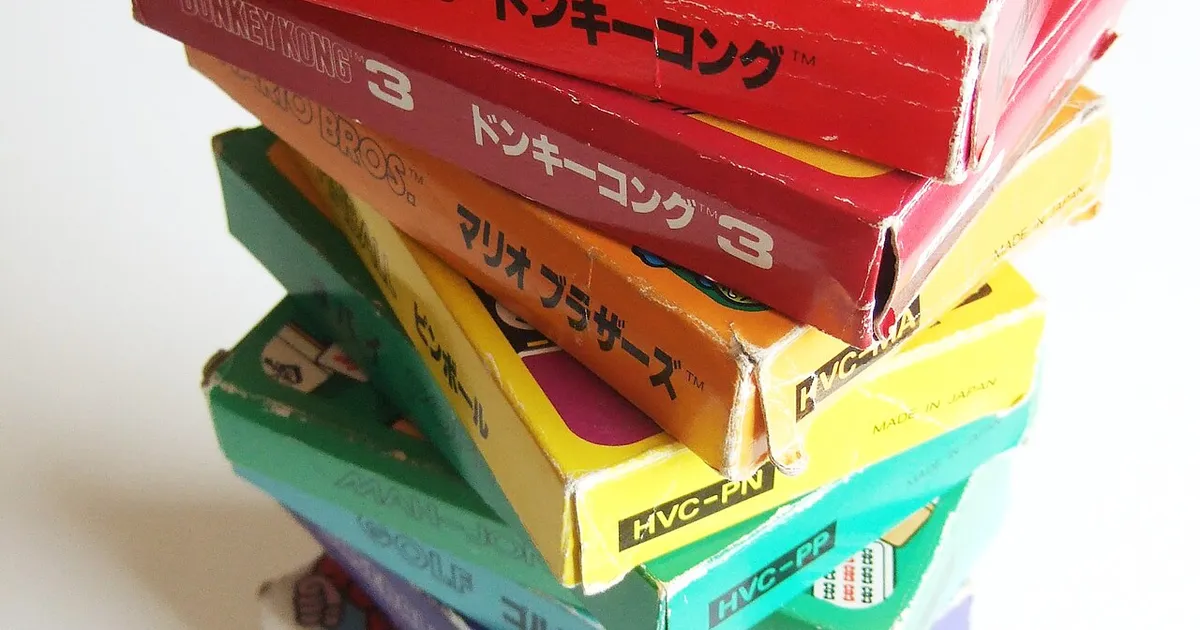
Photo by Bryan Ochalla / Wikimedia Commons / CC BY-SA 2.0
Digital game keys sold well below a title’s normal sale price are one of the more common “too good to be true” offers in gaming, and unlike a marked-up furniture listing, a bad game key purchase can mean losing your money entirely or getting a key that gets revoked after activation. It’s worth understanding how this market works before chasing the lowest number you can find.
Why Some Third-Party Keys Are Priced So Low
Legitimate regional pricing differences, bulk purchasing by resellers, and promotional keys from bundles are all real reasons a third-party key marketplace can sometimes offer genuinely lower prices than a storefront’s own sale price. But the same marketplaces can also carry keys obtained through fraudulent means — stolen payment methods, chargebacks after resale, or keys pulled from regions in violation of a publisher’s terms. A key that seemed like a steep discount can be deactivated after purchase if the original transaction is reversed or found to violate terms, leaving you without the game and without a refund from the original seller.
Check the Marketplace’s Reputation and Guarantee Policy
Before buying from any third-party key reseller, check whether the platform offers a clear guarantee — a refund or replacement policy specifically for keys that turn out to be invalid or later get revoked — and look into how that platform is generally regarded by other buyers over time, not just its own marketing claims. A marketplace with no stated guarantee for invalid keys is a meaningfully higher-risk purchase than one that does, regardless of how good the price looks.
Compare Against the Publisher’s Own Sale History
Before assuming a third-party price is dramatically better than anything official, check the game’s price history on the official storefront, including past sale cycles. Sometimes a “huge discount” third-party key is barely cheaper than what the same game has already sold for directly during a recent official sale — in which case the risk of a third-party key isn’t worth the marginal savings.
Watch for Regional Lock and Activation Restrictions
Some discounted keys are priced for a specific region and may fail to activate, or may only activate with a VPN or region-specific account, which can violate a platform’s terms of service and put your account at risk. Before buying a steeply discounted key, check whether the listing discloses any regional restrictions, and be skeptical of listings that don’t mention region at all — that omission is sometimes deliberate.
A Practical Safety Checklist
- Check whether the marketplace has a clear, stated policy for invalid or revoked keys.
- Compare the price against the game’s own official sale history before assuming it’s an exceptional deal.
- Look for disclosed regional restrictions, and be cautious of listings that omit this information.
- Consider paying with a method that offers buyer protection or chargeback options in case a key fails.
- If the savings over an official sale price are marginal, the lower risk of buying directly is usually worth more than the small difference.
The safest digital game deals are the ones from official storefronts during their own sale events. Third-party marketplaces can offer real value, but only when you’ve done the verification above — the discount alone isn’t enough information to judge whether a specific key is a good, safe purchase.
Our picks: Game credit & memberships
Shop on Amazon
Affiliate links.As an Amazon Associate I earn from qualifying purchases. Links below go to Amazon; prices and availability change, so check Amazon for current pricing.Affiliate disclosure
Illustrative photos: Photo by Bryan Ochalla / Wikimedia Commons / CC BY-SA 2.0