A Deal-Hunter's Guide to Buying Gaming Peripherals on Sale
A practical framework for shopping gear sales — price tracking, seasonal timing, and avoiding common upsell tactics on keyboards, mice, and headsets.
Main page for gaming gear: Gaming Gear →
A practical framework for shopping gear sales — price tracking, seasonal timing, and avoiding common upsell tactics on keyboards, mice, and headsets.
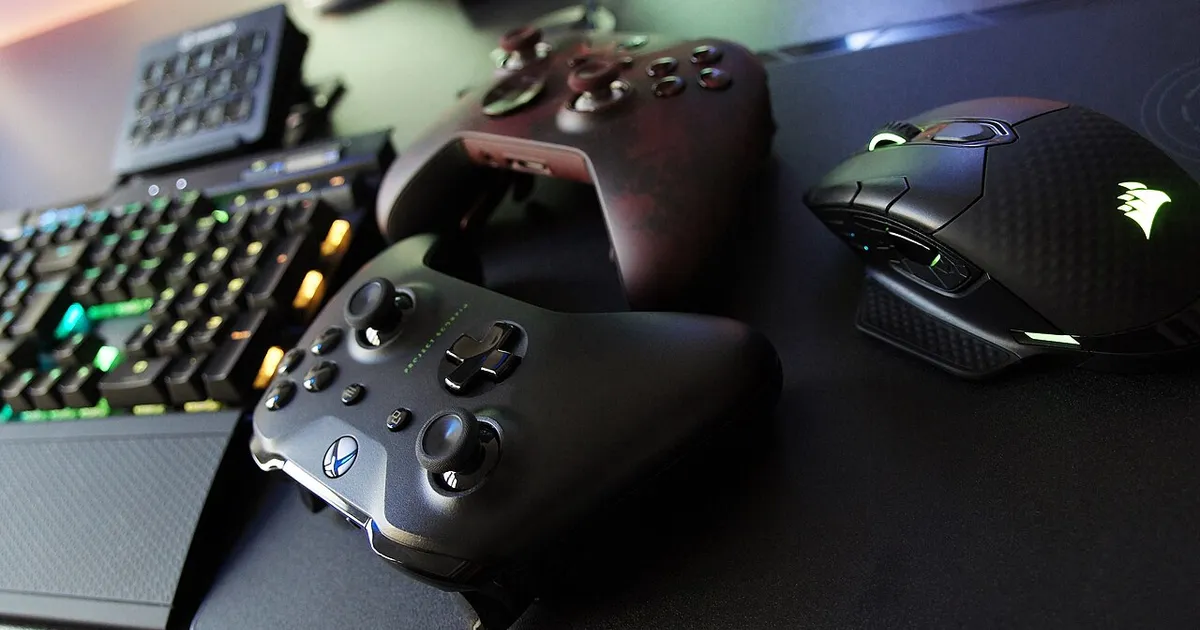
Photo by Jean-Marc Trappler / Wikimedia Commons / CC BY-SA 4.0
Because gaming gear covers so many individual products — keyboards, mice, headsets, controllers, mousepads — it’s easy to end up buying reactively, grabbing whatever happens to be discounted rather than what you actually need. A little structure turns gear shopping from impulse-driven into genuinely cost-effective.
Start With a List, Not a Sale Page
The most effective habit in this category is deciding what you actually want to upgrade — and roughly what features matter to you — before browsing any sale page. Shopping a sale page first tends to anchor your decision to whatever’s discounted that day rather than what would actually improve your setup. A list made in advance keeps discount badges from doing your prioritizing for you.
Track Price History for Specific Products You Want
For gear you’ve already decided you want, independent price-tracking tools and browser extensions that log historical pricing are the most reliable way to judge whether a current listing is actually a good price. Rather than reacting to whichever product happens to be on sale, you can set a target price for the specific item on your list and wait for it to actually reach that level — which is a very different, more disciplined process than browsing for whatever’s currently discounted.
Seasonal Sale Periods Bring the Broadest Selection
Peripheral pricing, like most electronics, tends to get most competitive during major recurring retail sale periods — end-of-year shopping events, back-to-school season, and similar broad calendar moments — when a wide range of brands and models are discounted simultaneously. These periods are useful less because any single discount is dramatically better, and more because the breadth of what’s discounted at once makes it easier to comparison shop across brands for the specific feature set you want.
Recognize Common Peripheral Upsell Tactics
A few patterns show up repeatedly in gear marketing and are worth recognizing for what they are:
- Software-gated features advertised as major selling points that are actually available on cheaper models in the same lineup once you dig into the spec sheet.
- “Pro” or “Elite” naming on a model whose core specs (switch type, sensor, driver) are close to a cheaper sibling product, with the price difference mostly reflecting cosmetic or minor convenience changes.
- Accessory bundling — a “free” mouse bungee or extra cable presented as meaningful added value on top of a discount.
None of these are necessarily bad purchases, but recognizing them helps you judge whether you’re paying for a feature you’ll use or for marketing framing.
Match the Purchase to How You’ll Actually Use It
The best gear deal is one for a product that fits how you actually play or work — a heavier, more feature-rich keyboard isn’t a better deal than a simpler one if you won’t use the extra features. Before a discount influences your decision, revisit your original list and confirm the discounted item still matches what you actually set out to buy.
A Practical Approach
- Decide what you want to upgrade before browsing sale pages.
- Set target prices for specific products and track price history rather than reacting to whatever’s currently discounted.
- Prioritize broad seasonal sale periods for the best comparison shopping across brands.
- Watch for software-gating, “Pro” naming, and bundle framing that inflate perceived value.
- Keep the purchase matched to your actual list, not whatever the discount badge is pointing at.
This approach takes slightly more planning than browsing a deals page and buying what looks shiniest, but it consistently results in gear you actually wanted at a price you can be confident about.
Our picks: Mice & Keyboards
Shop on Amazon
Affiliate links.As an Amazon Associate I earn from qualifying purchases. Links below go to Amazon; prices and availability change, so check Amazon for current pricing.Affiliate disclosure


Illustrative photos: Photo by Jacek Halicki / Wikimedia Commons / CC BY-SA 4.0; Photo by SolarMainframe / Wikimedia Commons / CC BY-SA 4.0; Photo by FASTILY / Wikimedia Commons / CC BY-SA 4.0; Photo by Anirban Saha / Wikimedia Commons / CC BY-SA 4.0