In-Ear Monitors for Gaming: Moondrop Chu II, Truthear Hexa and 7Hz Salnotes Zero:2
Why budget in-ear monitors (IEMs) have become popular with gamers, how to add a mic, and three wired IEMs to start with.
Why budget in-ear monitors (IEMs) have become popular with gamers, how to add a mic, and three wired IEMs to start with.
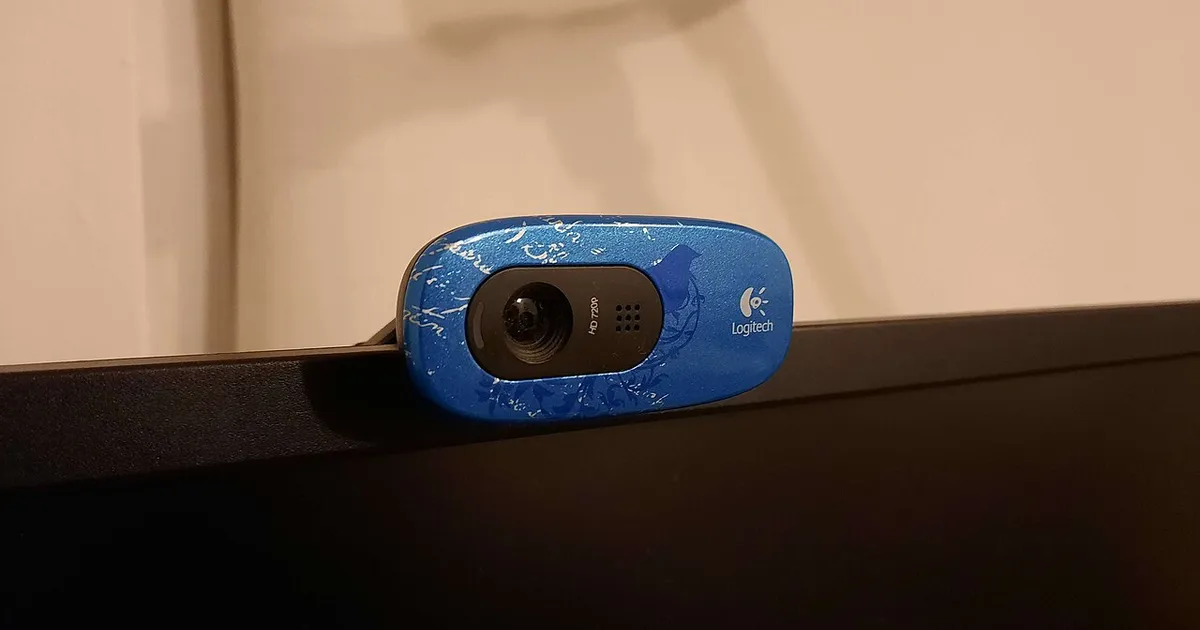
Photo by Peter Placzek / Wikimedia Commons / CC BY-SA 4.0
Affiliate links.As an Amazon Associate I earn from qualifying purchases. Links below go to Amazon; prices and availability change, so check Amazon for current pricing.Affiliate disclosure
In-ear monitors (IEMs) are wired earphones originally made for musicians on stage. Affordable models have become popular with gamers because they offer clear, detailed sound for the money, are light, and don’t press on your head or glasses. This guide compares three budget IEMs by design and listed specs, not lab testing. We don’t list prices; links go to Amazon’s current listings.
Quick answer
| IEM | Drivers | Detachable cable | Best for |
|---|---|---|---|
| Moondrop Chu II | Single dynamic driver | Yes | A first, very affordable IEM |
| 7Hz Salnotes Zero:2 | Single dynamic driver | Yes | A balanced budget option |
| Truthear Hexa | Hybrid (dynamic + balanced armature) | Yes | More detail, a step up in price |
Why gamers use IEMs
- Clear positional audio: good IEMs make footsteps and directional cues easy to hear.
- Comfort: light, with no clamp force and no pressure on glasses.
- Noise isolation: a good seal blocks outside noise without active noise cancelling.
- Value: sound quality that would cost much more in a headset.
- Portability: use the same earphones on PC, Switch 2, phone and handheld.
What to weigh
- No mic: most IEMs don’t include a mic suitable for team chat.
- Fit matters: the sound depends heavily on getting a good seal with the right ear tips.
- Wired: a 3.5mm cable, or a USB-C adapter (dongle DAC) for phones and some PCs.
Moondrop Chu II
A very affordable single-driver IEM with a detachable cable. A popular first step into IEMs.
7Hz Salnotes Zero:2
Another budget single-driver IEM with a detachable cable, often recommended for its balanced tuning.
Truthear Hexa
A hybrid IEM with one dynamic driver and several balanced armature drivers, aiming for more detail. Costs more than the other two.
Adding a microphone
Options for team chat:
- An attachable mic like the Antlion ModMic USB, which can clip to a cable or headset and connect by USB.
- A desk or boom-arm microphone. See USB vs XLR microphones and budget USB microphones.
- An IEM cable with an inline mic, if your model supports swapping cables (check the connector type).
Getting the right fit
- Try the included ear tips in each size; the best seal gives the best bass and isolation.
- Insert, then gently pull the ear upward to seat the IEM.
- Route the cable over the ear if designed that way; it reduces cable noise.
Do you need a DAC or amp?
Budget IEMs are easy to drive. A PC’s headphone jack or an inexpensive USB-C dongle is enough. On phones without a headphone jack, you’ll need a USB-C adapter.
IEMs vs headsets
- IEMs: better sound per dollar, lighter, but need a separate mic.
- Headsets: all-in-one with a mic, simpler for console players.
Compare with budget wired gaming headsets.
FAQ
Are IEMs good for competitive gaming? Yes. Many players like them for clear positional audio and comfort.
Can I use IEMs on PS5 or Xbox? Yes, through the controller’s 3.5mm jack, but you’ll need a separate mic for chat.
Bottom line
Budget IEMs offer excellent sound and comfort for the price. Pick one with a detachable cable, find the right ear tips, and add a mic if you play with a team.
Our picks: Headsets
Shop on Amazon
Affiliate links.As an Amazon Associate I earn from qualifying purchases. Links below go to Amazon; prices and availability change, so check Amazon for current pricing.Affiliate disclosure
Illustrative photos: Photo by Zephyris at English Wikipedia / Wikimedia Commons / CC BY-SA 3.0