How to Choose a Gaming Chair for Long Sessions
A practical guide to picking a gaming chair that keeps you comfortable and healthy through hours-long sessions, covering adjustability, materials, and fit.
A practical guide to picking a gaming chair that keeps you comfortable and healthy through hours-long sessions, covering adjustability, materials, and fit.
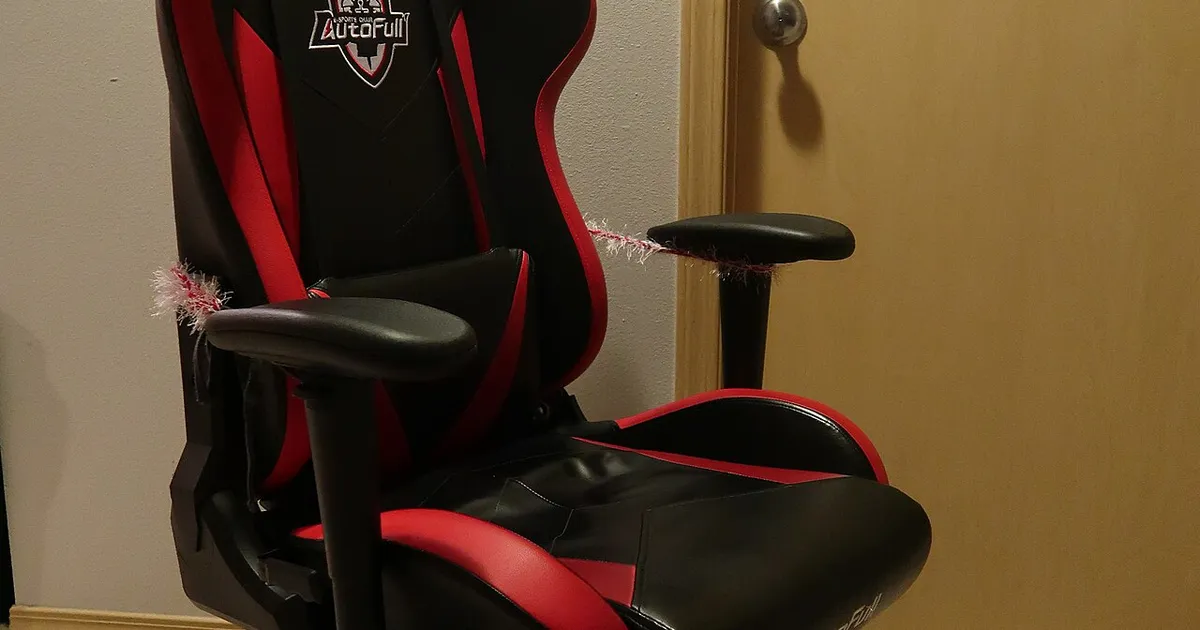
Photo by Ndurliat / Wikimedia Commons / CC BY-SA 4.0
If you spend three, five, or even eight hours a day in front of a screen, your chair is arguably the single most important piece of furniture in your setup. A bad chair does not just cause discomfort during a session — it compounds over months into back pain, poor circulation, and posture habits that are hard to unlearn. Here is how to actually evaluate a gaming chair instead of buying on looks alone.
Start With Adjustability, Not Aesthetics
The flashy stitching and racing-inspired shell get all the attention, but the features that determine whether a chair works for your body are the adjustment points. At minimum, look for:
- Seat height adjustment so your feet sit flat on the floor with knees at roughly a 90-degree angle.
- 4D or multi-directional armrests that move up/down, forward/back, and side-to-side, so your shoulders can relax instead of shrugging to reach the keyboard.
- Adjustable lumbar support — a built-in lumbar curve or a movable pillow that pushes into the small of your back rather than sitting decoratively behind you.
- Recline lock with a wide range, ideally from an upright 90 degrees to at least 135 degrees for recovery breaks between matches.
A chair with fewer adjustment points might still look impressive in photos, but it will fit fewer body types well, and if it does not fit yours, no amount of padding will fix that.
Think About Your Body, Not the Model in Marketing Photos
Weight capacity and seat dimensions matter more than most buyers realize. A seat that is too narrow will pinch at the hips after an hour; one that is too deep will press behind your knees and cut circulation. Before buying, check the manufacturer’s listed seat width, seat depth, and maximum recommended user height and weight, and compare those numbers against your own measurements rather than assuming “one size fits most.” If you are notably taller or shorter than average, look specifically for chairs marketed with extended or petite sizing — many manufacturers now offer both.
Padding and Support Over Time
Foam density is the quiet spec that determines how a chair feels after six months rather than on day one. Cheaper chairs often use low-density foam that compresses and goes flat within a year, leaving you sitting on the frame. When you can, look for chairs that specify high-density cold-cure foam, and be wary of unusually thick padding advertised as a selling point — thickness is not the same as support, and overly soft cushions can actually encourage slouching.
Don’t Ignore the Base and Casters
The five-star base and casters rarely make it into review headlines, but they affect daily comfort and safety. A steel or reinforced nylon base will hold up better than basic plastic, especially at higher body weights. If your setup sits on hardwood or tile, consider swapping stock casters for soft-wheeled or rollerblade-style casters — they roll more quietly and won’t scratch flooring the way hard plastic wheels can.
Set a Realistic Budget and Prioritize
Ergonomic gaming chairs span a wide price range, and more money does not automatically mean more comfort for your specific body. Instead of chasing the most expensive option, prioritize in this order: proper seat sizing for your body, adjustable lumbar support, quality foam, then extras like armrest range and recline mechanisms. A mid-range chair that fits you correctly will outperform a premium chair that doesn’t.
A Simple Pre-Purchase Checklist
- Do the seat width and depth match your body, not just the average?
- Can you adjust lumbar support to your specific curve?
- Do the armrests move in enough directions to support relaxed shoulders?
- Is the foam described as high-density, and is there a trial or return period?
- Does the base match your flooring and weight needs?
Getting these fundamentals right will do more for your comfort during long sessions than any RGB accent lighting or branded stitching ever could.
Our picks: Gaming chairs
Shop on Amazon
Affiliate links.As an Amazon Associate I earn from qualifying purchases. Links below go to Amazon; prices and availability change, so check Amazon for current pricing.Affiliate disclosure
Illustrative photos: Photo by Marchuk17 / Wikimedia Commons / CC BY-SA 4.0; Photo by Ndurliat / Wikimedia Commons / CC BY-SA 4.0