The Grind Mindset: What Ranked Counter-Strike 2 and Apex Legends Teach About Getting Better
Climbing in ranked play is as much about mindset as mechanics. Lessons on tilt, self-review, and consistency drawn from ranked Counter-Strike 2 and Apex Legends.
Main page for competitive gaming: Esports →
Climbing in ranked play is as much about mindset as mechanics. Lessons on tilt, self-review, and consistency drawn from ranked Counter-Strike 2 and Apex Legends.
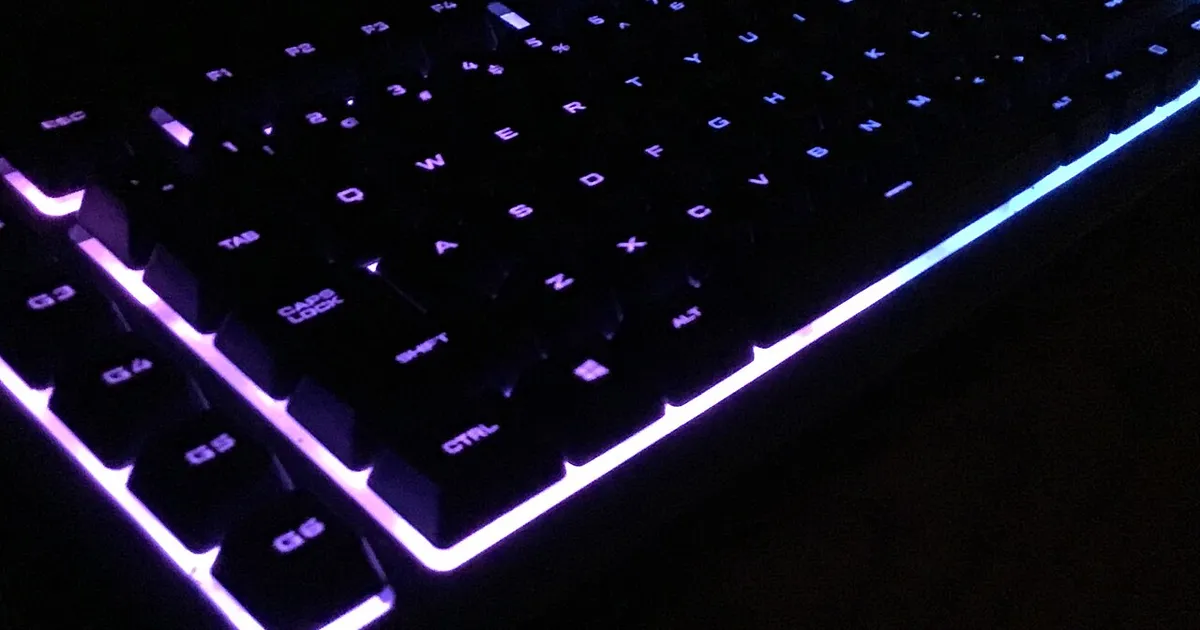
Photo by SolarMainframe / Wikimedia Commons / CC BY-SA 4.0
Mechanical skill gets a lot of credit in competitive gaming, but ask anyone who’s spent real time grinding ranked in Counter-Strike 2 or Apex Legends and they’ll tell you the mental side is just as decisive. Two very different games, but the same handful of lessons keep showing up.
Tilt is a bigger threat than the enemy team
“Tilt” — the frustration that builds after a bad round or a rough death — is one of the most consistent rank-killers in competitive games. In Counter-Strike 2’s round-based format, one lost round can snowball into a lost half if a player starts forcing risky peeks out of frustration instead of playing the next round on its own terms. In Apex Legends, where a single bad fight can end your squad’s run entirely, tilt often shows up as chasing a fight you should have disengaged from. The players who climb consistently tend to be the ones who treat every round or match as a fresh decision, not a chance to get even.
Consistency beats highlight plays
It’s tempting to measure your own improvement by your best moments — a clutch round win, a highlight-reel elimination. Ranked systems don’t work that way. They reward consistency across dozens of games, which means reducing your worst moments usually matters more than maximizing your best ones. In practice, that looks like cutting down on unnecessary risks: don’t peek an angle you don’t need to challenge, don’t chase a fight your squad can’t win. Games lost to unforced errors are the easiest ones to fix.
Reviewing your own play honestly
Both games make it possible to review past matches, and that habit separates players who plateau from players who keep improving. After a loss, the useful question isn’t “what did my teammates do wrong” — it’s “what’s one decision I made that I’d make differently.” In Counter-Strike 2, that might mean noticing you consistently die holding the same angle. In Apex Legends, it might mean recognizing you’re rotating into fights without checking whether your team actually has the numbers advantage.
Treat rank as a lagging indicator
Rank reflects your play over the last several dozen games, not your play right now. A rough week doesn’t erase months of improvement, and a couple of lucky wins don’t mean you’ve suddenly solved the game. Players who last in competitive modes tend to hold that perspective — rank is feedback to learn from, not a verdict to take personally.
The mechanics of climbing differ between a tactical shooter and a battle royale, but the mental discipline underneath — staying level-headed, prioritizing consistency, and reviewing honestly — carries across almost every competitive game worth taking seriously.
Our picks: Competitive gear
Shop on Amazon
Affiliate links.As an Amazon Associate I earn from qualifying purchases. Links below go to Amazon; prices and availability change, so check Amazon for current pricing.Affiliate disclosure



Illustrative photos: Photo by Jacek Halicki / Wikimedia Commons / CC BY-SA 4.0; Photo by PantheraLeo1359531 / Wikimedia Commons / CC BY 4.0; Photo by Anirban Saha / Wikimedia Commons / CC BY-SA 4.0; Photo by Zephyris at English Wikipedia / Wikimedia Commons / CC BY-SA 3.0