What a Thorough Gaming Chair Review Actually Tests
The specific things a careful gaming chair review should evaluate, from adjustability range to how materials hold up, beyond a quick comfort verdict.
Main page for gaming chairs: Gaming Chairs →
The specific things a careful gaming chair review should evaluate, from adjustability range to how materials hold up, beyond a quick comfort verdict.
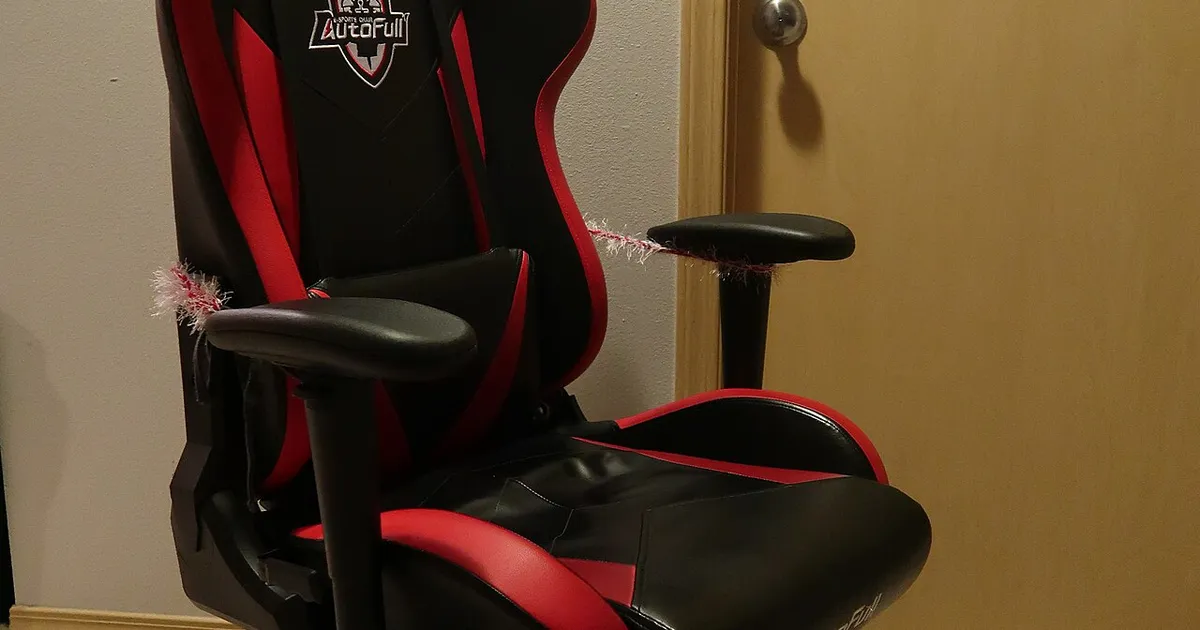
Photo by Ndurliat / Wikimedia Commons / CC BY-SA 4.0
“Comfortable” is the word every gaming chair review reaches for, and it’s almost useless on its own — comfort is personal, situational, and changes over the course of a session. A review that’s actually done the work will break that single word down into specific, checkable components instead of leaving it as an unexamined verdict.
Adjustability Range, Not Just Adjustability Presence
Most gaming chairs advertise adjustable armrests, lumbar support, and recline, but “adjustable” covers a huge range of actual usefulness. A thorough review states the actual range: how many inches the armrests travel vertically, whether they move laterally and rotate, how far the lumbar support projects and over what height range, and what the minimum and maximum recline angles are. A chair with armrests that technically adjust but only across a narrow range is functionally different from one with a wide range, and only a review that states the numbers lets you tell the difference.
How the Chair Behaves at the Edges of Its Rated Capacity
A chair’s behavior for a user near the top of its weight rating is a genuinely different experience than for a user in the middle of that range — more flex in the frame, faster foam compression, a recline mechanism under more strain. A useful review states the reviewer’s own weight and height relative to the chair’s rated range, so you can judge how relevant their experience is to your own body. This is one of the simplest, most concrete things a review can disclose, and its absence is a real gap.
Material Behavior Over Time, Not Just Texture Out of the Box
PU leather can start to crack or peel after months of friction and body heat; mesh can lose tension and sag; fabric can pill or absorb odor. A first-week review can only describe how a material feels new. A review that mentions how the material held up after weeks of regular use — or that explicitly flags it hasn’t been used long enough to comment on durability yet — is being honest about the limits of what it can tell you.
Assembly, Hardware, and Long-Term Mechanical Reliability
Wobbly bolts, misaligned panels, a gas lift that sinks slowly over time, or a tilt-lock that stops holding its position are common failure points that only show up with use, not during a five-minute unboxing. A thorough review mentions the assembly process (any misaligned holes, unclear instructions, missing hardware) and, when possible, revisits the chair’s mechanical components after enough time has passed to notice drift or wear.
Noise and Movement Under Normal Use
Casters that squeak on hardwood, a recline mechanism that creaks, or a tilt-tension knob that doesn’t hold its setting are minor-sounding issues that become genuinely annoying in daily use. These details rarely make it into marketing copy, which is exactly why a review that specifically checks for them is more useful than one that doesn’t.
Putting It Together
A gaming chair review that covers adjustability ranges with real numbers, discloses the reviewer’s body relative to the chair’s rated capacity, addresses material behavior over time, and checks assembly and mechanical reliability is giving you something closer to a full picture. A review that only says “very comfortable, highly recommend” is giving you an opinion with no way to check whether it applies to you.
Our picks: Gaming chairs
Shop on Amazon
Affiliate links.As an Amazon Associate I earn from qualifying purchases. Links below go to Amazon; prices and availability change, so check Amazon for current pricing.Affiliate disclosure
Illustrative photos: Photo by Marchuk17 / Wikimedia Commons / CC BY-SA 4.0; Photo by Ndurliat / Wikimedia Commons / CC BY-SA 4.0