What Makes a Trustworthy Gaming Gear Review
How to judge reviews of mice, keyboards, and headsets by what they actually measure, and why unboxing footage is not the same as testing.
Main page for gaming gear: Gaming Gear →
How to judge reviews of mice, keyboards, and headsets by what they actually measure, and why unboxing footage is not the same as testing.
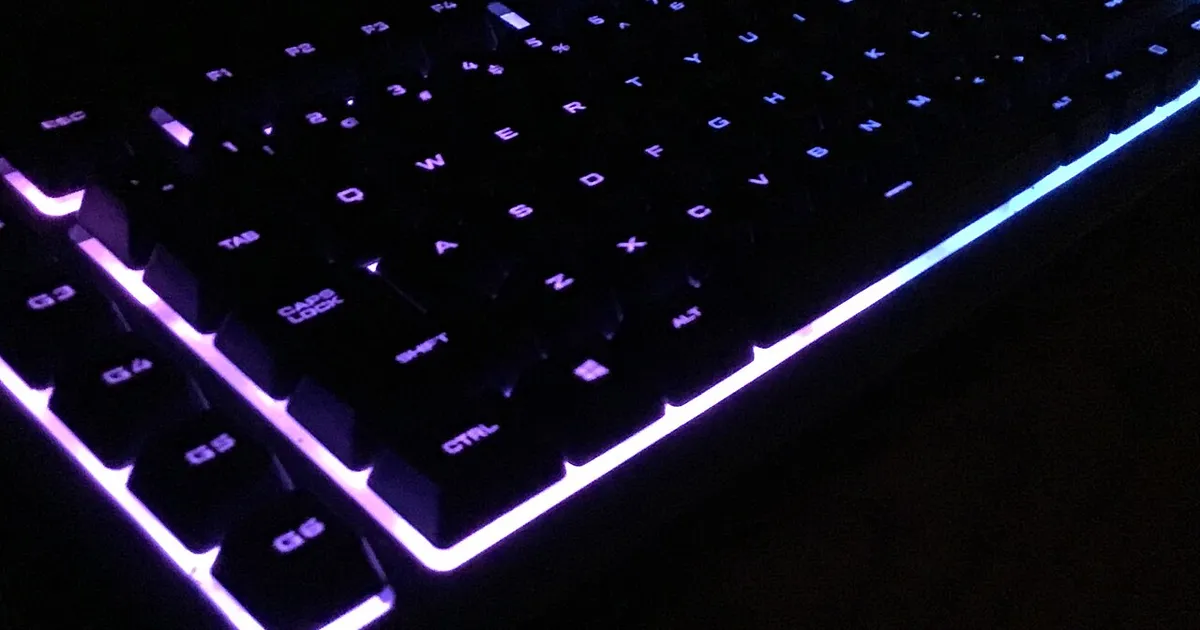
Photo by SolarMainframe / Wikimedia Commons / CC BY-SA 4.0
Gaming gear — mice, keyboards, headsets, controllers — is some of the most heavily reviewed and most heavily marketed category of tech there is. It’s also one of the easiest categories to fake a review of, because a lot of what makes gear “good” is subjective feel rather than a number you can screenshot. That makes it worth knowing exactly what separates a review that actually tells you something from one that’s just an enthusiastic unboxing.
Feel Is Subjective, But It Can Still Be Described Specifically
“This mouse feels great” tells you nothing. “The side buttons sit high enough that my thumb doesn’t brush them accidentally during normal movement, and the click force is noticeably lighter than the previous version” tells you something you can compare against your own hand and habits. A useful gear review describes sensations in specific, comparable terms — button travel, click weight, coating texture, cable stiffness, clamping force on a headset — rather than reaching for adjectives like “premium” or “amazing” that don’t tell you anything about the object itself.
Specs That Should Be Verified, Not Just Repeated
Peripheral marketing pages are full of numbers: DPI, polling rate, battery life, latency. A review that just repeats the box’s numbers back to you hasn’t added anything. A review worth reading tells you whether those numbers held up — did the battery actually last the claimed number of hours under real use, did wireless latency feel different from a wired connection in practice, did the advertised polling rate change anything you could notice. The gap between claimed specs and lived experience is exactly what a review should be measuring.
Watch for Reviews That Skip the Downsides
Every piece of gear involves tradeoffs. A featherweight mouse usually sacrifices battery capacity or build reinforcement. A headset with a great microphone sometimes has mediocre sound isolation. A keyboard tuned for competitive gaming might be uncomfortable for long typing sessions. If a review has nothing critical to say at all — no mention of who the product isn’t for, no tradeoff acknowledged anywhere — that’s usually a sign it wasn’t actually used for long enough, or wasn’t written with much independence from the brand supplying it.
Long-Term Use Matters More Than First Impressions
A lot of gear problems don’t show up on day one. Mouse feet wear down, headset ear cushions compress and lose comfort, keyboard switches can develop scratchiness, coatings can wear off where your palm rests. A review based on a few hours out of the box can only tell you about first impressions, not durability. Look for reviews that mention how long the reviewer actually used the product, and be more skeptical of glowing conclusions attached to very short testing windows.
How GamingScrims Will Approach Gear Reviews
Our gear review process, once it’s live, will be built around actual extended use rather than a single session with a product — testing peripherals the way people actually use them, across real sessions, not just a spec comparison against the box. In line with our editorial policy, coverage decisions won’t be for sale, and we won’t publish claims we haven’t verified ourselves.
Questions to Ask Before Trusting a Gear Review
- Does it describe feel in specific, comparable language, or just adjectives?
- Were the manufacturer’s claimed specs actually tested, or just repeated?
- Does it mention any real downside or tradeoff?
- How long was the gear actually used before the review was written?
A review that can answer those questions is doing the work you’re relying on it to do.
Our picks: Mice & Keyboards
Shop on Amazon
Affiliate links.As an Amazon Associate I earn from qualifying purchases. Links below go to Amazon; prices and availability change, so check Amazon for current pricing.Affiliate disclosure

Illustrative photos: Photo by Jacek Halicki / Wikimedia Commons / CC BY-SA 4.0; Photo by SolarMainframe / Wikimedia Commons / CC BY-SA 4.0; Photo by FASTILY / Wikimedia Commons / CC BY-SA 4.0; Photo by Anirban Saha / Wikimedia Commons / CC BY-SA 4.0