How to Plan a Gaming Setup on a Budget
A framework for allocating a gaming setup budget across the components and gear that actually affect your experience, instead of spending unevenly and running out of money on the parts that matter.
Main page for gaming setups: Setup Inspiration →
A framework for allocating a gaming setup budget across the components and gear that actually affect your experience, instead of spending unevenly and running out of money on the parts that matter.
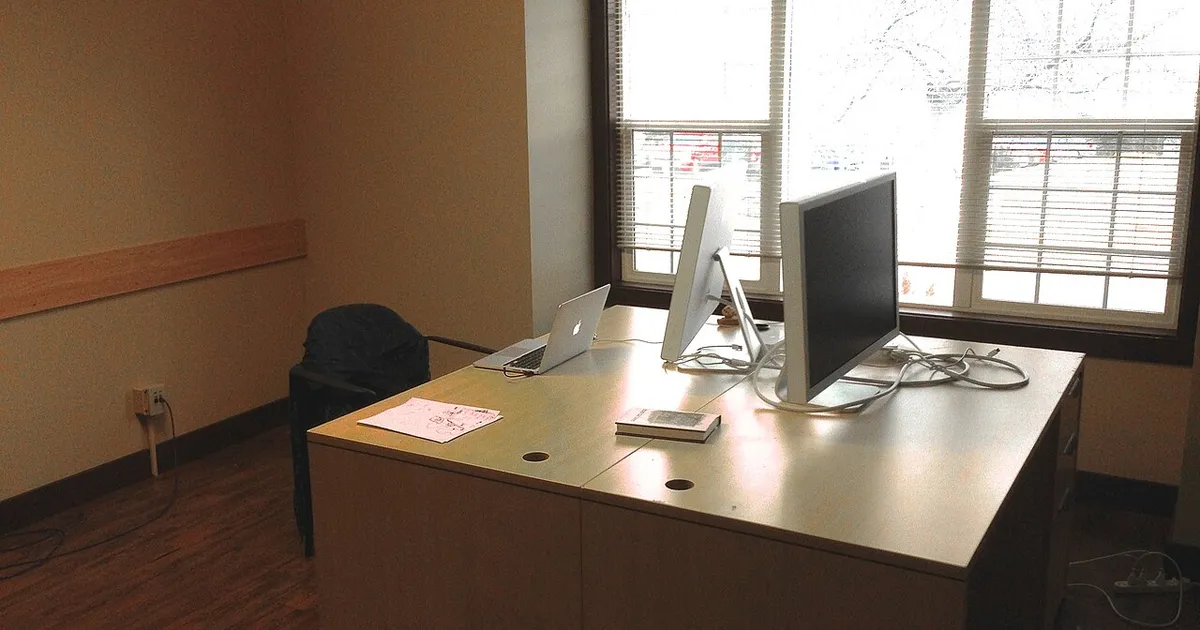
Photo by cogdogblog / Wikimedia Commons / CC BY 2.0
Planning a gaming setup is as much a budgeting exercise as it is a shopping list. It’s easy to overspend on the first exciting item you pick out — a flashy peripheral or an eye-catching monitor — and then find the budget squeezed for the parts that actually determine how well games run. A little structure up front makes the whole process go a lot smoother.
Start with what actually drives your experience
Before allocating any money, it helps to separate your setup into rough categories: the core system (the parts that determine raw gaming performance), the display (what you actually look at while playing), input devices (what you use to interact with the game), and comfort or ambience extras (seating, lighting, desk accessories). Each category pulls the budget in a different direction, and none of them should be planned in isolation — a huge spend in one category with nothing left for another tends to produce a lopsided setup.
Prioritize the core system first
For most people, the components that determine actual gaming performance deserve the largest share of the budget, since they set the ceiling for what your setup can do regardless of how nice everything around it looks. It’s a common mistake to spend heavily on visible extras before locking in the core system, only to realize the budget left for the parts that matter most has shrunk. Deciding roughly what share of the total budget goes to the core system before shopping helps avoid this trap.
Match the display budget to the core system
The display is worth planning right alongside the core system, because a mismatch between the two wastes money in either direction. A very capable core system paired with a limited display can leave real performance unused, and a very capable display paired with a modest core system can go underutilized just as easily. Thinking about these two categories together, rather than budgeting for one and then seeing what’s left for the other, tends to produce a more balanced result.
Don’t underfund the things you touch constantly
Input devices and seating are easy to deprioritize because they’re less visually impressive than a display or a core system upgrade, but they’re also the parts of a setup you physically interact with for the longest stretches of time. Underfunding this category to stretch the budget elsewhere often shows up as day-to-day discomfort or friction that a spec sheet won’t warn you about. It’s worth setting aside a deliberate, non-trivial share of the budget here rather than treating it as an afterthought.
Leave room for the extras, but cap them
Ambience and comfort extras — lighting, decorative accessories, and similar additions — genuinely improve how a setup feels to use, but they don’t affect actual gaming capability. Setting a firm cap on this category before you start browsing helps prevent it from quietly eating into budget that was meant for the core system, the display, or the things you interact with directly. A useful habit is deciding on that cap first, then treating anything beyond it as optional rather than default.
Revisit the plan as prices and priorities shift
A budget allocation isn’t something to lock in permanently — prices shift, and your own priorities may change once you start comparing options within each category. If one category consistently comes in under what you budgeted, it’s reasonable to shift that surplus toward whichever category matters most to your specific use case, rather than keeping it rigidly siloed. The goal of allocating a budget up front isn’t to follow it rigidly, but to avoid the more common failure mode of spending unevenly with no plan at all.
A simple way to sanity-check your allocation
Before finalizing purchases, it helps to step back and ask whether the split across categories actually reflects how you’ll use the setup. Someone who spends most of their time on fast-paced, competitive play will weigh the core system and input devices more heavily; someone focused on visually rich single-player experiences may weigh the display more. There’s no single correct split — the point of planning a budget category by category is making sure the allocation matches how you’ll actually use the setup, rather than being decided by whatever caught your eye first.
Our picks: Gaming desks & Gaming chairs
Shop on Amazon
Affiliate links.As an Amazon Associate I earn from qualifying purchases. Links below go to Amazon; prices and availability change, so check Amazon for current pricing.Affiliate disclosure


Illustrative photos: Photo by Ssamm T / Wikimedia Commons / CC BY-SA 4.0; Photo by Marchuk17 / Wikimedia Commons / CC BY-SA 4.0; Photo by Luke Chesser / Wikimedia Commons / CC0; Photo by Ndurliat / Wikimedia Commons / CC BY-SA 4.0