What to Buy First When Building a Gaming Setup
Building a gaming setup in the right order avoids bottlenecks, wasted purchases, and buyer's remorse. A framework for sequencing what to buy first, second, and last.
Main page for gaming setups: Setup Inspiration →
Building a gaming setup in the right order avoids bottlenecks, wasted purchases, and buyer's remorse. A framework for sequencing what to buy first, second, and last.
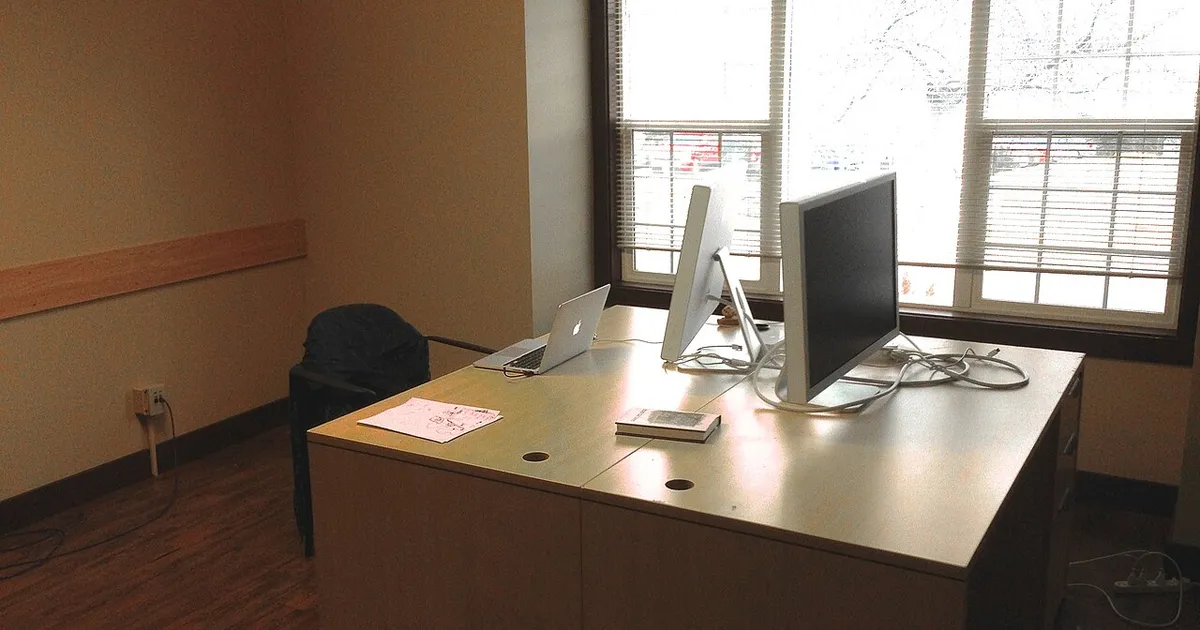
Photo by cogdogblog / Wikimedia Commons / CC BY 2.0
Deciding what to buy is only half the planning problem — the order you buy things in matters too. Building a gaming setup piece by piece without a sequence in mind tends to produce mismatched purchases, where an early buy ends up limiting or being wasted by a later one. Thinking through the order ahead of time saves both money and frustration.
Why sequence matters as much as selection
Every part of a gaming setup interacts with the parts around it. A display bought before the core system is finalized might not be well matched to what that system can actually produce. A desk bought before you know how many peripherals and monitors it needs to hold might turn out to be the wrong size. Sequencing purchases so that the decisions with the most downstream impact happen first reduces the chance of a later purchase being constrained by an earlier one that wasn’t fully thought through.
Anchor the plan around the core system
The core system is the foundation the rest of the setup builds around, since its performance ceiling shapes what’s worth pairing it with. Deciding on the core system first — even if you don’t purchase it immediately — gives you a reference point for every other decision that follows, from what display makes sense to how much desk space and cooling the whole setup will need. Buying peripherals or display gear before this decision is settled risks choosing items that don’t end up matched to what you ultimately land on.
Buy the display once the core system is settled
Once the core system is decided, the display is a natural next step, because it’s the piece most directly matched to what that system can output. Buying the display too early — before the core system is locked in — risks a mismatch in either direction. Buying it too late, after peripherals and desk arrangements are already finalized, risks discovering the display doesn’t fit the space or layout you’ve already committed to. Slotting it in right after the core system tends to avoid both problems.
Peripherals and furniture come next, physical space last
With the core system and display decided, input devices and seating can be chosen with a clear sense of what they need to complement. Desk and furniture decisions are worth finalizing after this point too, since by then you know roughly how much equipment the space needs to accommodate — trying to plan desk space before knowing what will sit on it tends to produce a layout that doesn’t quite fit once everything arrives.
Save ambience and cosmetic extras for the end
Lighting, decorative accessories, and other purely cosmetic additions are the easiest category to finalize last, since they don’t constrain or get constrained by anything functional in the setup. Buying these first is a common way people end up with a setup that looks the part before the functional pieces are even decided, which usually means either overspending early or having to work around cosmetic choices later. Treating this category as the final step keeps it from crowding out decisions that matter more.
Revisit earlier decisions if something doesn’t fit
Even with a sequence in mind, it’s normal to discover partway through that an earlier decision needs revisiting — a display that seemed like a good match turns out not to suit the core system as well as expected, for instance. Building in the flexibility to step back and adjust an earlier choice, rather than pushing forward with a mismatch just to stay on schedule, tends to produce a better final setup than following the sequence rigidly regardless of what you learn along the way.
The sequence is a guide, not a rulebook
The general order — core system, then display, then peripherals and furniture, then cosmetic extras — reflects how much each category constrains the ones that follow it, not a strict rule that has to be followed exactly. Some people already know exactly what display or chair they want regardless of anything else, and that’s fine. The value of thinking in sequence is mainly in avoiding the more common mistake: buying whatever catches your attention first and discovering later that it doesn’t fit with everything decided afterward.
Our picks: Gaming desks & Gaming chairs
Shop on Amazon
Affiliate links.As an Amazon Associate I earn from qualifying purchases. Links below go to Amazon; prices and availability change, so check Amazon for current pricing.Affiliate disclosure



Illustrative photos: Photo by Ssamm T / Wikimedia Commons / CC BY-SA 4.0; Photo by Marchuk17 / Wikimedia Commons / CC BY-SA 4.0; Photo by Luke Chesser / Wikimedia Commons / CC0; Photo by Ndurliat / Wikimedia Commons / CC BY-SA 4.0