Windows 10 End of Support: What Gamers Should Do
What the end of Windows 10 support means for gaming PCs, how to check if your PC can run Windows 11, and the options if it can't.
What the end of Windows 10 support means for gaming PCs, how to check if your PC can run Windows 11, and the options if it can't.
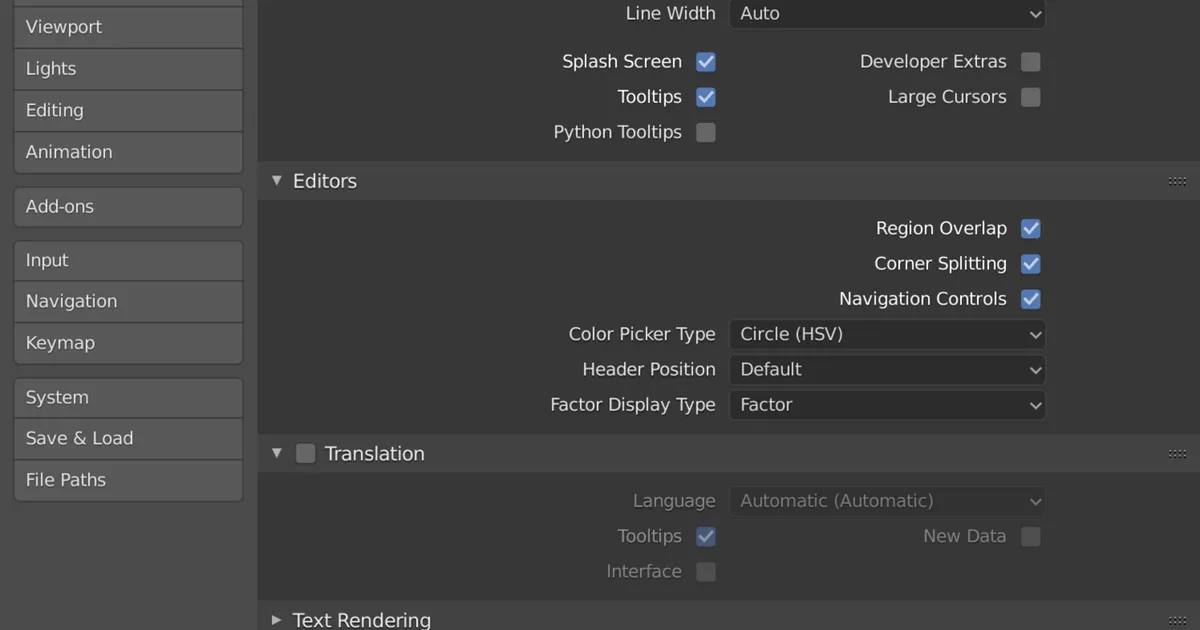
Photo by domdomegg / Wikimedia Commons / CC BY 4.0
Affiliate links.As an Amazon Associate I earn from qualifying purchases. Links below go to Amazon; prices and availability change, so check Amazon for current pricing.Affiliate disclosure
Windows 10 reached its end of support in October 2025, and Microsoft’s one-year Extended Security Updates option for home users ran until October 2026. That means Windows 10 PCs no longer receive regular security updates, and game developers and anti-cheat systems are gradually dropping support. This guide explains what gamers should do, based on Microsoft’s published timelines and general practice. Check Microsoft’s site for the latest details. Links go to Amazon’s current listings.
Quick answer
| Your situation | What to do |
|---|---|
| PC meets Windows 11 requirements | Upgrade to Windows 11 (free from a licensed Windows 10) |
| PC doesn’t meet requirements | Consider hardware upgrades or a new PC |
| You just want to keep playing | Possible, but security and game support will decline |
Why it matters for gamers
- Security: no regular security patches makes the PC more vulnerable, especially online.
- Game and anti-cheat support: developers increasingly require Windows 11 or recent updates.
- Drivers: GPU makers will eventually focus on Windows 11.
Windows 11 requirements
The main hurdles are:
- TPM 2.0: most PCs from the last several years have it, often as a setting called fTPM (AMD) or PTT (Intel) in the BIOS.
- Supported CPU: generally Intel 8th gen / AMD Ryzen 2000 and newer.
- Secure Boot enabled.
Run Microsoft’s PC Health Check app to see if your PC qualifies.
Upgrading
- Back up important files.
- Enable TPM and Secure Boot in the BIOS if needed.
- Upgrade through Windows Update, or use Microsoft’s installation assistant.
- Update GPU and chipset drivers afterward.
A licensed Windows 10 PC can typically upgrade free. For a new build, see buying Windows 11: retail vs OEM, including the Windows 11 Home USB.
If your CPU isn’t supported
- Upgrade the platform: see upgrading from AM4 to AM5 or what to upgrade first.
- Consider a prebuilt on Black Friday. See prebuilt deal spec check.
Gaming on Windows 11
Windows 11 includes gaming features like Auto HDR and DirectStorage optimizations. See optimizing Windows for gaming.
FAQ
Will my games stop working on Windows 10? Not immediately, but support will decline over time, especially for online and anti-cheat games.
Is upgrading to Windows 11 free? Usually, from a licensed Windows 10 PC that meets the requirements.
Bottom line
Check if your PC qualifies, back up and upgrade to Windows 11. If it doesn’t qualify, plan a hardware upgrade. More in new gaming PC first-boot checklist.
Our picks: Graphics cards & Game credit & memberships
Shop on Amazon
Affiliate links.As an Amazon Associate I earn from qualifying purchases. Links below go to Amazon; prices and availability change, so check Amazon for current pricing.Affiliate disclosure
NVIDIA GeForce RTX 5070 Ti
16GB card that handles high-refresh 1440p and entry 4K.
Check price on Amazon

Illustrative photos: Photo by Timothy Borkowski / Wikimedia Commons / CC BY-SA 3.0; Photo by Bryan Ochalla / Wikimedia Commons / CC BY-SA 2.0; Photo by Advanced Micro Devices, Inc. (AMD) / Wikimedia Commons / Attribution